Summary of Article:
This article compares Lightspeed Aviation’s Zulu 4 ANR headset to the Bose A30, examining comfort, clarity, durability, and value to help pilots decide which headset best meets their needs. This article also discusses how the Zulu 4 improves on the already loved Zulu 3 by innovating with new technologies and delivering on the details that pilots want in their ANR headset. These innovations include: FrameFit™ ear seals, Bluetooth voice isolation that removes up to 90% of background noise, dual Bluetooth, a longer mic boom, and durable, almost entirely stainless steel and magnesium construction.
Redefined Comfort
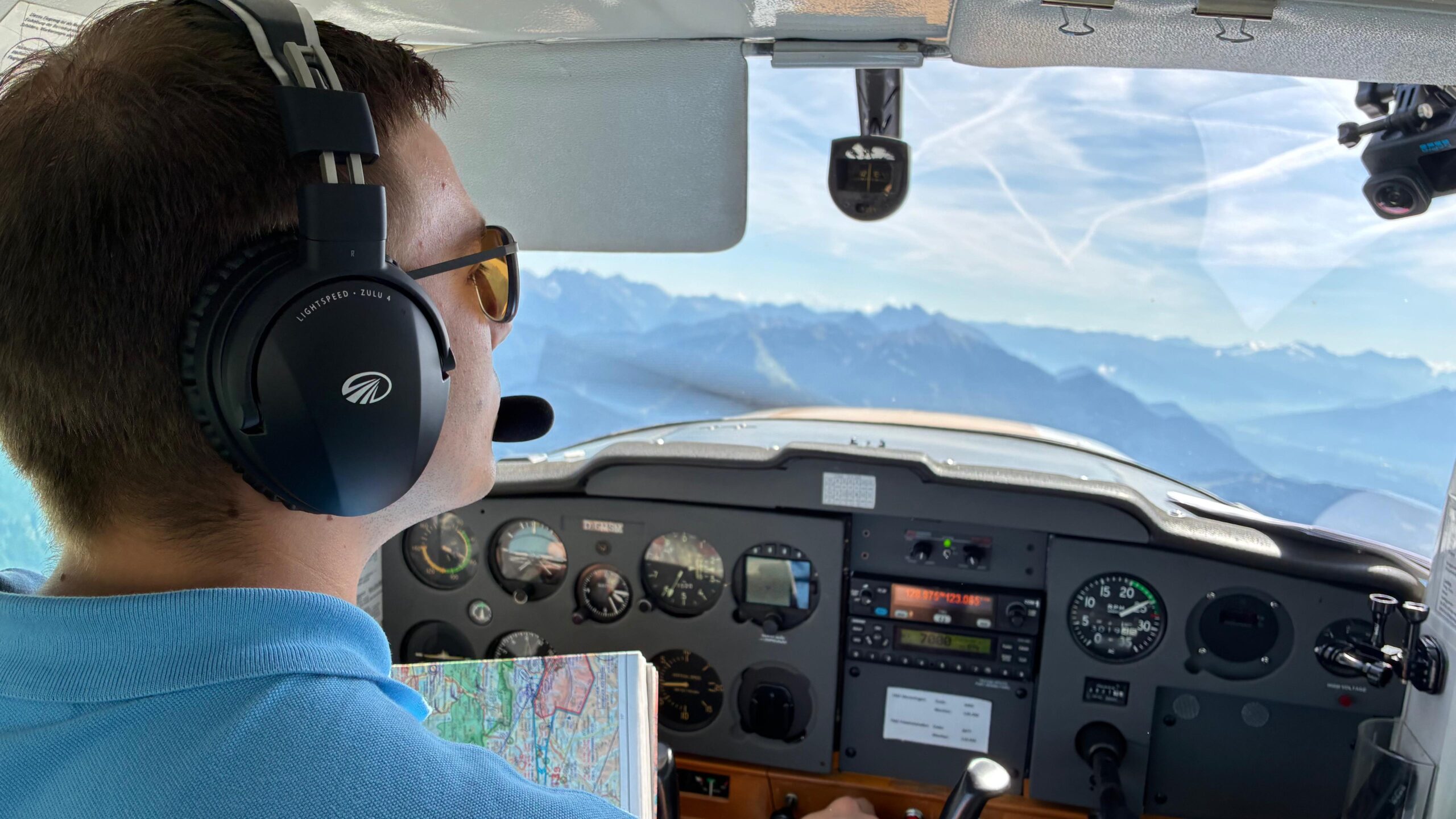
Comfort is more than luxury in the cockpit; it’s a safety factor. The Zulu 4 debuts FrameFit ear seals that are designed to preserve the ANR seal when you’re wearing sunglasses, hats, or other headgear. The seals use dual‑density foam with a softer upper zone that conforms around eyewear temples, reducing hotspots and seal breaks on long legs.
The Bose A30 emphasizes a lighter on‑head feel (listed at about 14.2 oz.) and lower clamping force than its predecessor the A20. The Zulu 4 is similarly balanced (about 14.6 oz.), but the critical comfort difference for many pilots is how the seal behaves with eyewear: thinner seals and a narrower ear cavity found on the A30 can allow minor leaks with glasses, which you’ll notice as the familiar ‘warble’ when ANR tries to compensate. By contrast, Lightspeed’s circumaural design fully surrounds the ear to improve isolation, fidelity, and long‑duration comfort.
Clarity in Communications
Both The Zulu 4 and the A30 use proven electret noise‑canceling microphones for radio transmissions. When every word matters, clarity counts. The Zulu 4 cuts through engine noise with new voice isolation technology for clear Bluetooth calls.
In practice, that means fewer ‘say again’ requests and cleaner readbacks when you’re coordinating on the ground via phone (e.g., with an FBO or the tower) or reviewing training audio afterward. Lightspeed’s audio comparison clips illustrate how engine and prop noise are suppressed so the spoken message comes through with greater intelligibility.
Flexibility with Devices
The Zulu 4 and A30 both support dual Bluetooth, allowing you to connect to up to two devices simultaneously. This gives you the ability to seamlessly switch between a phone for calls to the tower or music streaming, and a tablet for notifications and alerts from your favorite aviation apps. In both headsets, switching between connected devices is as easy as pausing audio on one device and playing audio on the other.
Durability through Craftsmanship
The Zulu 4 continues the Zulu line’s metal forward construction with stainless steel and magnesium components, paired with a Kevlar core braided cable that resists kinks and adds flexibility. The design targets longevity in harsh flying environments without compromising weight or balance.
Because of the emphasis on long term reliability, Lightspeed backs the Zulu 4 with an industry best 7 year warranty. By comparison, the Bose A30 warranty is 5 years. Over several years of use, that difference in coverage can lead to lower ownership costs and enjoying greater peace of mind.
Which Should You Choose?
If your flying involves frequent eyewear use, long cross‑country flights, or you value clear Bluetooth calls and recordings, Zulu 4’s FrameFit ear seals and Bluetooth voice-isolation technology are compelling advantages. If you prioritize a slightly lighter on‑head feel and prefer Bose’s control ergonomics, the A30 remains an excellent choice for you.
The Zulu 4 is available for $1,099 USD vs. $1,299 for the Bose A30. The Zulu 4 gives you similar ANR performance and innovative new features that the A30 doesn’t have for $200 less.
Both the Zulu 4 and the Bose A30 are top‑tier ANR headsets. Your best choice will come from real cockpit time. Try them side‑by‑side if possible and evaluate seal stability with your eyewear, comfort over a full leg, clarity during calls or app audio, and the value you place on materials and warranty coverage.
You can also see what others have had to say in a number of first impressions of the Zulu 4 from aviation media outlets as well as a pilot’s take on the Zulu 4 vs. the Bose A30.