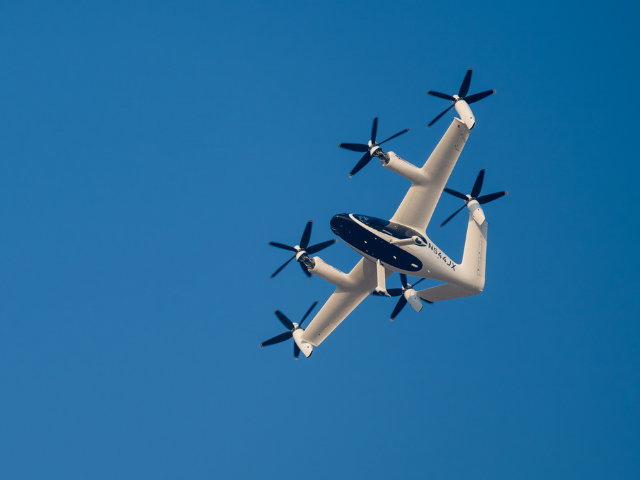
What is an eVTOL Aircraft
Vertical take-off and landing (VTOL) aircraft have been around for many decades, from helicopters to military aircraft such as the V-22 Osprey tiltrotor. But advances in electric propulsion systems—the “e” in eVTOL—mean that fully electric VTOL aircraft may soon become part of everyday life for pilots and non-pilots alike.
Non-pilots will see these aircraft used to transport goods and people over short distances. For pilots, eVTOL aircraft may open job opportunities and, at the very least, they will be another type of traffic to contend with. Lightspeed Aviation is especially interested in how Active Noise Reduction and durable aviation headsets will play a role in helping ensure the safety of these new aircraft.
How is the FAA Handling eVTOL Certification and Integration?
The FAA has focused on eVTOLs a lot in recent years and has begun using the umbrella term Advanced Air Mobility (AAM) to talk about these and other aircraft and the necessary certifications and integration efforts which will accompany them.
The FAA issued updated rules in July 2023, and October 2024, with added frameworks for air carrier powered-lift operations and certification of powered-lift pilots. On March 9, 2026, the U.S Department of Transportation announced that eight projects, spanning 26 states, have been selected to participate in the eVTOL Integration Pilot Program (eIPP), with operations expected to begin this summer.
What Will eVTOLs Look Like?
Designs for eVTOLs vary significantly and include:
- Fixed-rotor multicopter designs that look like supersized drones
- Lift and cruise designs that transition from a dedicated vertical lift system to a separate horizontal flight system mid-flight
- Tilt-wing or tilt-propeller designs that pivot to transfer some or all of their lift system between propellers and wings.
Two leading manufacturers, Archer Aviation and Joby Aviation, both utilize tilt-propeller designs, which allow for faster and more efficient horizontal flight while retaining helicopter-like takeoff and landing when in their vertical configuration.
How Will eVTOLs Be Used?
Air taxi operations have been a major target for eVTOLs, and their advantages in noise and emissions make them particularly appealing in that role. For many people, their first flights in eVTOLs will likely be short hops from vertiports in urban and suburban environments to established airports.
Short flights and more passenger interaction will cause pilots to take headsets on and off more frequently, with more opportunities to snag or damage cables. So, headset durability will be a top priority in eVTOL environments. At the same time, passengers want to see pilots wearing gear that matches their expectations of a quality experience and inspires confidence in their transportation.
What’s Next for eVTOLs?
As the LA28 Olympic Games approach where Archer has been named the Official Air Taxi Provider and Joby aircraft continue to progress toward being the first type certification for an eVTOL, new infrastructure will be needed to support these innovative new aircraft. We’ll investigate how eVTOLs will impact general aviation and pilots in a forthcoming article.
Key Takeaways
- Electric vertical take‑off and landing (eVTOL) aircraft build on existing VTOL concepts, made possible by advances in electric propulsion systems.
- eVTOLs are expected to be used for short‑distance transport of people and goods, particularly in urban and suburban environments, and will become a new category of air traffic for pilots.
- The FAA is actively developing certification and integration pathways, using the Advanced Air Mobility (AAM) framework, updated rules issued in July 2023 and October 2024, and the eVTOL Integration Pilot Program announced in March 2026.
- eVTOL aircraft designs vary widely, including multicopter, lift‑and‑cruise, and tilt‑wing or tilt‑propeller configurations, with Archer and Joby pursuing tilt‑propeller designs.
- Air taxi operations are a primary early use case, with short flights between vertiports and established airports expected to be many passengers’ first eVTOL experience.
- Short, frequent flights and increased passenger interaction create operational considerations for pilots, including more frequent use of cockpit equipment and the need for durable gear.
- As certification progresses and major events like the LA28 Olympic Games approach, new infrastructure will be required to support eVTOL operations, with further impacts on general aviation to be explored in a future article.
Be sure to Subscribe to the Lightspeed Aviation Newsletter for updates, resources, and future programs!