
If you’ve been following current news in General Aviation (GA), you’re likely already somewhat familiar with MOSAIC. It’s been a hot topic, with changes for sport pilots going into effect October 22, 2025, and changes to the light-sport aircraft category coming July 24, 2026. But you may have questions about what changes apply to aircraft and which apply to pilots. We had questions too, so we did some digging and we talked to both pilots and pundits. We’ll walk you through our takeaways about MOSAIC in a series of articles, starting with this one.
Key Takeaways:
- MOSAIC is FAA’s Modernization of Special Airworthiness Certification rule
- Mosaic expands what aircraft sport pilots can fly and significantly updates the light‑sport aircraft category.
- With changes already in effect for pilots and additional aircraft updates coming in 2026, MOSAIC increases flexibility, improves safety standards, and opens new opportunities across general aviation.
What is MOSAIC?
In case you haven’t been following this news thread, MOSAIC is the acronym for the FAA’s Modernization of Special Airworthiness Certification rule, which amends the Code of Federal Regulations (CFR), updating and expanding the definitions and capabilities for sport pilots and light-sport aircraft (LSA) category. There are big changes in MOSAIC, and they’re primarily aimed at:
- Allowing sport pilots to fly more aircraft
- Enhancing the safety and performance of aircraft certified in the light-sport category.
- Encourage the growth and innovation of general aviation.
What Changes Does MOSAIC Make for Pilots?
Changes specific to powered fixed-wing aircraft probably impact the most pilots, so we summarized what stood out to us in the table below:
| Sport Pilot Certification |
| Before MOSAIC | After MOSAIC | |
| Aircraft allowed | Able to fly “light-sport aircraft” | Able to fly aircraft with maximum stall speed of 59 knots calibrated airspeed (KCAS) with flaps retracted (VS1) |
| Retractable landing gear | Not allowed (except aircraft intended to operate on water or gliders) | Allowed with additional training and instructor endorsement |
| Manual controllable pitch propeller | Not allowed | Allowed with additional training and instructor endorsement |
| Night flying | Not allowed | Allowed with additional training, instructor endorsement, and requires holding at least a third-class medical certificate or meeting BasicMed requirements |
| Passengers allowed | 1 | 1 (but aircraft of up to 4 seats) |
| Light Sport Aircraft Specifications |
| Before MOSAIC | After MOSAIC | |
| Aircraft types | Airplanes, gliders, powered parachutes, weight shift control, and balloons | Any class of aircraft |
| Engine/power | Single reciprocating | Any type or number |
| Max weight | 1,320 lb (1,430 for seaplanes) | No maximum weight |
| # of seats | 2 | Up to 4 |
| Max speed | 120 KCAS | 250 KCAS |
| Max stall speed | 45 KCAS | 61 KCAS |
| Propeller | Ground adjustable/fixed | Controllable pitch permitted |
| Landing gear | fixed | Retractable permitted |
Where Can I Find More MOSAIC Details?
Additional changes to sport pilot capabilities and requirements for gliders and other aircraft types in the light-sport category can be found summarized in the FAA’s MOSAIC Fact Sheet. Organizations such as the Aircraft Owners and Pilots Association (AOPA) have also compiled FAQs which dig into the details of the new rule.
Why Does MOSAIC Matter If I’m Not a Sport Pilot?
You might be thinking “I’m not a sport pilot, why does this matter to me?”
Pilots holding any other pilot certification from the FAA may choose to operate as sport pilots so long as they fly within the restrictions and requirements of that certification. This already allows you to continue to fly as a sport pilot if you have:
- An expired (NOT denied, suspended, or revoked) medical certificate.
- A valid driver’s license.
And with the MOSAIC changes, that permission may even include the plane you already fly!
What Does MOSAIC Mean for Current and Future Sport Pilots?
If you are a sport pilot or you’re considering pursuing that certification, the MOSAIC changes offer you privileges such as:
- Broadening your choice of aircraft.
- The ability to fly at night if you acquire at least a third-class medical certificate or meet BasicMed requirements.
Safety Considerations Under MOSAIC
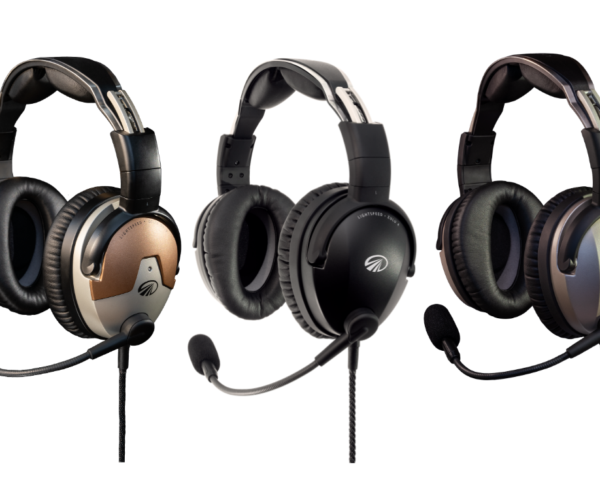
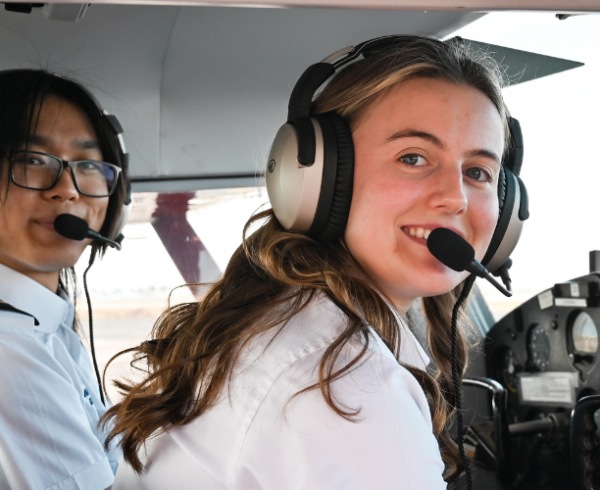
Of course, the ability to fly a wider range of aircraft also brings new safety needs. Sport pilots flying larger and/or louder aircraft will benefit from the improved cockpit communication, comfort, hearing protection, and other safety features that become increasingly important during longer flights or night flights. Top-tier ANR aviation headsets can help pilots maintain comfort, focus, and safety in their aircraft.
Looking Ahead
With the changes to sport pilot capabilities already in effect and updates to the light-sport category coming soon, we’re optimistic about continued growth and new developments in GA. We’ll talk more about what we think MOSAIC means for pilots and how it impacts the general aviation industry in future articles.
Be sure to Subscribe to the Lightspeed Aviation Newsletter for updates, resources, and future programs!








Leave a Comment