Experimental Amateur-built Aircraft (EABs)
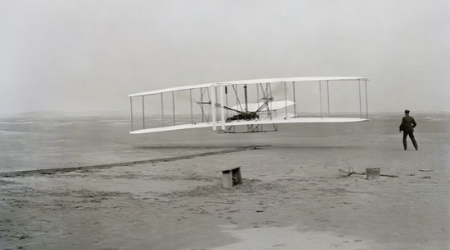
Many of the earliest aircraft in history were built or designed by passionate inventors who wished to fly. Those homebuilt aircraft, constructed before any aircraft began to be factory-built, demanded innovation. Even as production aircraft have become the largest segment in general aviation what are now known as experimental amateur-built (EAB) aircraft have maintained a significant presence. Lightspeed Aviation wanted to learn how the EABs of today carry on that tradition of innovation, who they’re for, and what it’s like to build and fly them. We’ll look for answers in this and following articles.
Summary of Article:
- Homebuilt aircraft date back to the earliest days of aviation.
- Building an EAB can offer lower costs, greater customization, and more flexibility for future modifications and upgrades.
- The primary builder may be eligible for an FAA Repairman Certificate, allowing them to perform the aircraft’s annual condition inspection.
- Builders can choose from hundreds of aircraft kit models covering a wide variety of capabilities and mission profiles.
- Experimental Light-Sport Aircraft (ELSA) kits provide another option and do not have to meet the EAB major portion requirement.
- MOSAIC expands the types of aircraft that sport pilots may fly, making many EAB aircraft accessible to more pilots while also increasing competition from factory-built light-sport aircraft.
A Brief History of EABs
From the very beginning of sustained human flight homebuilt aircraft grew quickly in popularity. The earliest freely available drawings were first published in Popular Mechanics in 1910 and the National Air Races held in Dayton, Ohio, in 1924 further increased that growth. High accident rates in the 1920s and 1930s brought regulations which put a pause on amateur building, but the restart of the National Air Races in 1946 spurred a push for acceptable standards. This prompted the official recognition of the experimental amateur-built aircraft category in October, 1952, in the US Civil Aeronautics Manual. The Experimental Aircraft Association (EAA) was founded only months later, in 1953, and has continued to support builders and pilots of EABs to the present day.
Why Build Instead of Buy?
For many pilots, the decision to build or buy may simply come down to budget; a kit plane or a set of plans may be far less expensive than a traditional factory-built aircraft. However, there are many other reasons to consider building your own airplane aside from cost. EAB aircraft may offer more flexibility in the selection of engines, avionics, and other equipment as compared to type-certificated aircraft, allowing a builder to truly customize a plane to their own wants and needs. They also afford a greater ability to make modifications and upgrades after an aircraft is complete.
The primary builder of an EAB aircraft is automatically eligible for an FAA Repairman (Experimental Aircraft Builder) Certificate which allows that person to complete the annual condition inspection on that aircraft. The ability to self-inspect and the familiarity that comes with having built your own aircraft can make ownership and maintenance easier and bring greater confidence, knowing that it’s sound inside and out. And, changes introduced by MOSAIC (Modernization of Special Airworthiness Certification) in 2025 create a path for an owner of an EAB, who is not the original primary builder of the aircraft, to become certified to conduct their own inspections.
What Options are Available?
There are EAB aircraft options covering a wide variety of capabilities and mission profiles. The most recent listing of amateur-built aircraft kits published by the FAA includes over 300 model listings, and that’s only a fraction of the total kits available. Many of those airframes also offer multiple variations supporting different powerplant and performance options. Most kit manufacturers design with specific powerplants in mind, with Lycoming and Rotax engines being some of the most common. Kit planes available from manufacturers such as Van’s Aircraft, Inc., Zenith Aircraft Co., and RANS Design, Inc., have some of the highest number of current FAA registrations and are popular options.
Some manufacturers also offer Experimental Light Sport Aircraft (ELSA) kits which do not have to meet the major portion requirement of the FAA amateur-built definition. These kits are typically easier to build but generally come with a higher cost reflecting that ease. But, ELSAs carry more restrictions during the build process.
How Does MOSAIC Impact EABs?
With MOSAIC expected to increase the availability, capability, and affordability of light sport aircraft, EABs will likely see more competition from factory-built aircraft on price and performance. However, the expanded sport pilot privileges that were introduced by MOSAIC in 2025 mean that many EAB aircraft may now be flown by sport pilots. So, while the changes bring more competition, they also expand the number of pilots who may consider EABs for their aviation goals.
How Can I Learn More About EABs?
In coming articles, we’ll continue to explore the appeal of EAB aircraft and take a deeper look at what options are available for potential EAB builders and pilots. The EAA also offers significant resources to builders and pilots to help them determine if an EAB aircraft fits their needs, to support the build process, and to keep EAB pilots and their aircraft flying after a build is completed. Stay tuned for more info on EABs!
Be sure to Subscribe to the Lightspeed Aviation Newsletter for updates, resources, and future programs!